How to Find Local Dirt Tracks and Pick the Right One
Stop wasting diesel driving to the wrong facilities. Learn how to find local dirt tracks, evaluate banking and soil, and pick the perfect home track.
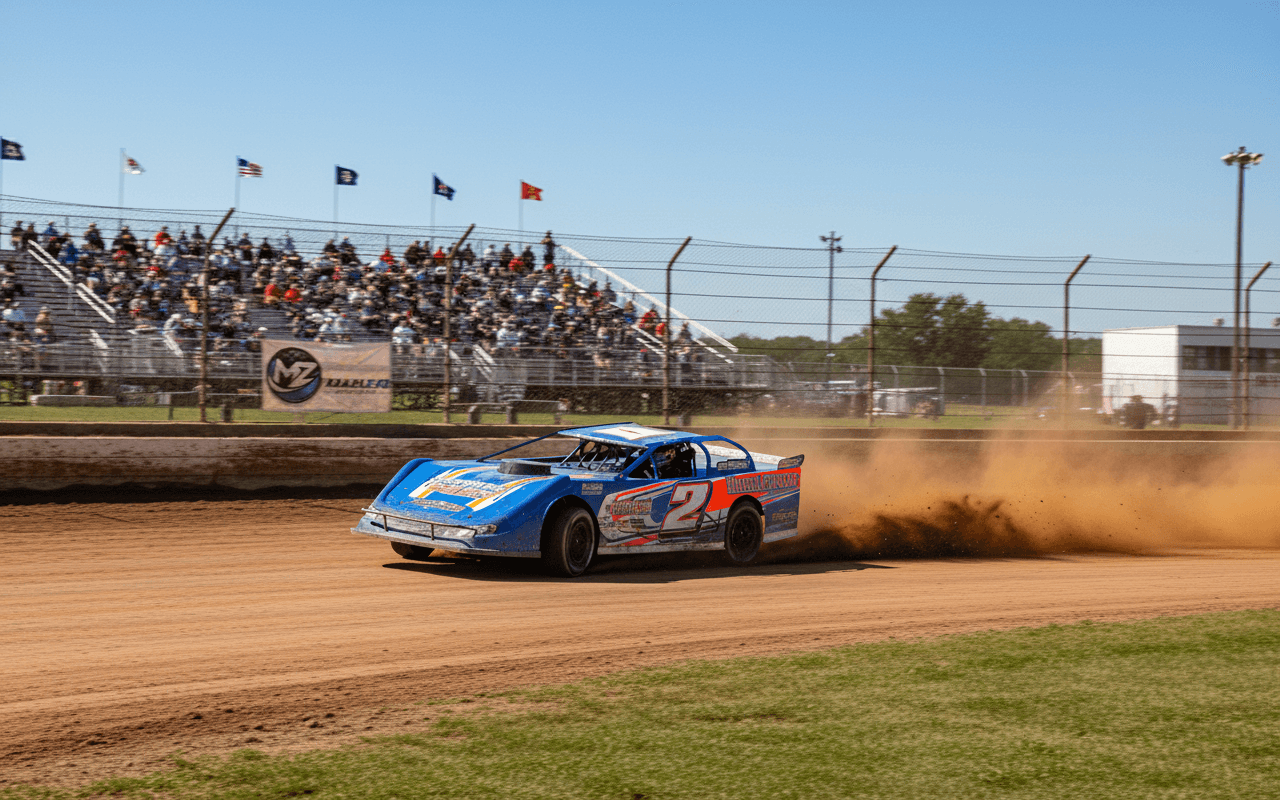
The biggest mistake rookie racers make isn't in their four-link setup—it's picking the wrong track to run weekly. Towing to a big, sweeping 1/2-mile when your engine program is built for a tight 1/4-mile bullring is a guaranteed way to burn up your equipment and your budget.
Finding a local dirt track isn't just about putting a pin in a map. It is about matching your car's mechanical grip, your horsepower curve, and your operating budget to the specific dirt geometry of a facility.
Here is how you evaluate, find, and lock in your home track.
Track Size and Geometry: Do the Math First
Do not build a car until you know where you are racing. Track size dictates your entire chassis setup and powertrain package.
A standard 1/4-mile bullring demands heavy braking, rapid weight transfer, and massive torque off the corner. You will run a numerically higher gear ratio—often in the 6.20 to 6.50 range depending on your tire rollout. Momentum is minimal, meaning you are essentially drag racing from corner to corner.
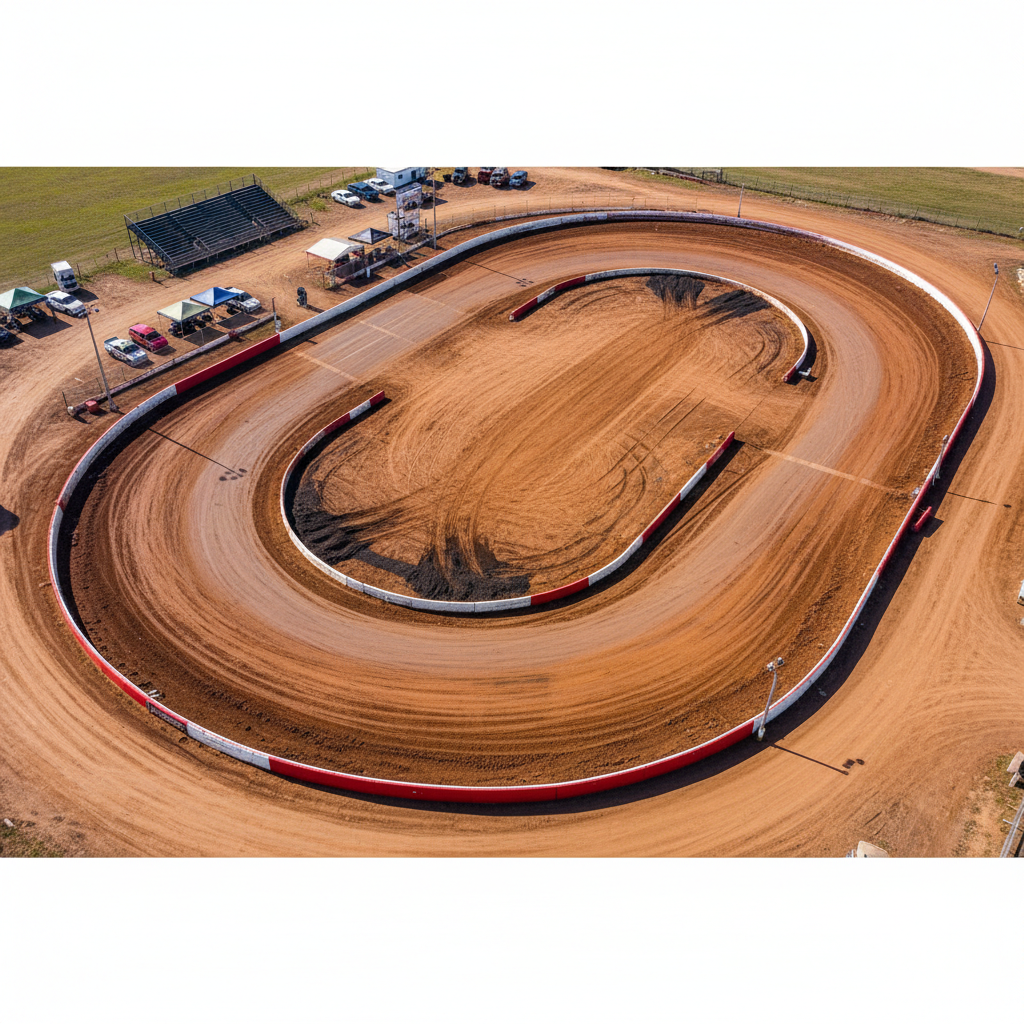
Step up to a 1/2-mile oval, and the physics change entirely. You are dealing with sustained cornering loads, your right front tire takes a beating, and aerodynamics suddenly matter. You will drop your gear ratio down into the 5.40s to keep the engine alive at the end of the straightaways.
Look at the banking before you unload. A flat track (0 to 5 degrees) requires maximum mechanical grip and extreme cross-weight adjustments to get the car to turn. A high-banked track (15 to 22 degrees) holds the car for you, allowing you to run stiffer spring rates and focus purely on corner roll speed.
Dirt Composition: The Hidden Tire Bill
Not all dirt is created equal. The soil composition at your local dirt track directly dictates your weekly tire budget and setup notes.
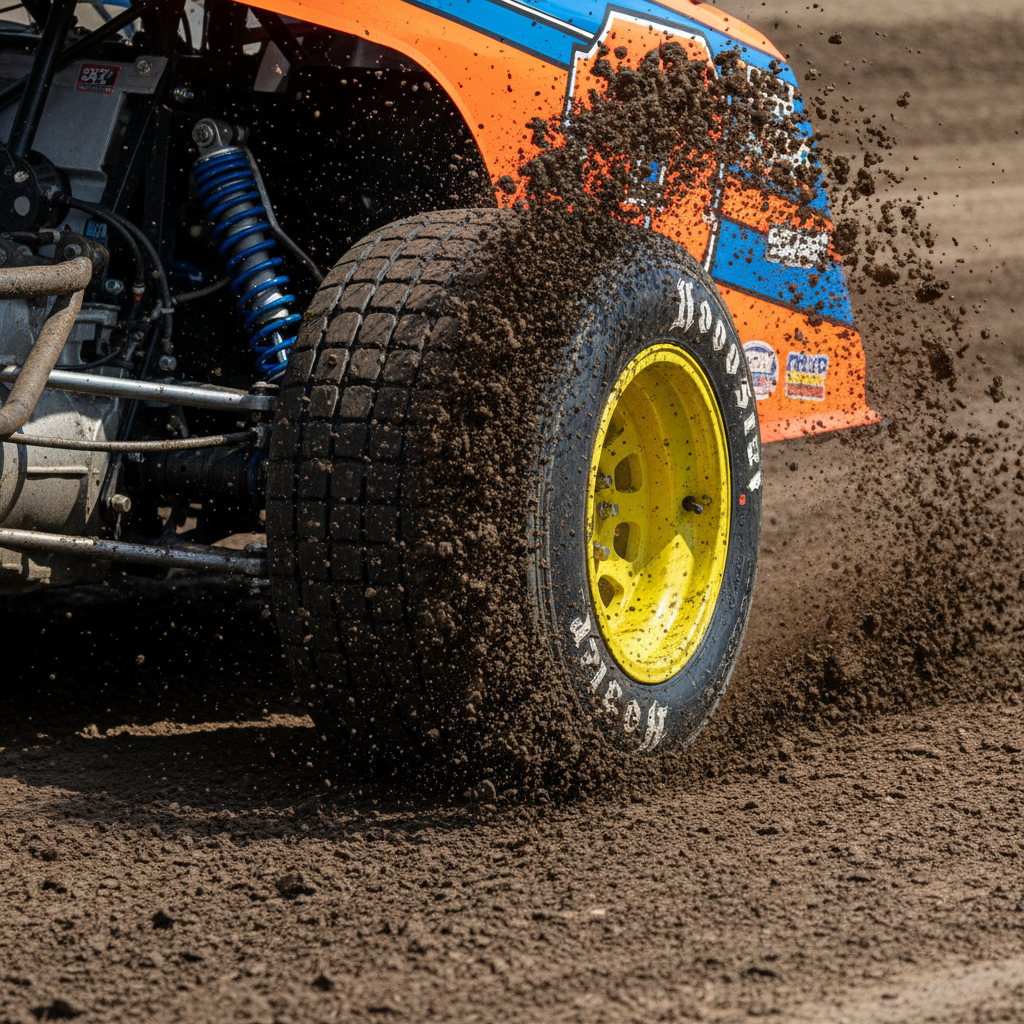
Red clay packs down hard, slicks off quickly, and takes rubber. By feature time, you are essentially racing on black asphalt. This requires heavy grooving and siping to manage heat buildup, and you will blister softer tire compounds if you don't manage your slip angle.
Black gumbo or loose loam stays wet longer and builds massive, heavy cushions. You need aggressive tread blocks to bite into the loose dirt. While this dirt is easier on tires, mud packing into your radiator will spike your water temps past 230°F in three laps if you do not run a screen.
Pro Tip: The thing most racers miss is checking the track's sun exposure. A track facing due west will dry out and take rubber twice as fast in turns one and two during twilight hot laps. Always walk the track at 5:00 PM to see exactly where the shadows fall.
Sanctioning Bodies: The Rulebook Trap
Before you commit to a local track, read their rulebook cover to cover. Most tracks run under national or regional sanctioning bodies like IMCA, UMP, USRA, or WISSOTA.
Sanctioning bodies dictate your shock packages, engine limitations, and most importantly, your tire rules. If Track A mandates a Hoosier G60 and Track B runs an American Racer KK704, you cannot easily bounce between the two facilities on a weekend.
Stick to tracks that share a sanctioning body within your region. This allows you to travel for high-paying specials without buying a completely different set of $800 shocks or a new set of wheels.
Pit Area Infrastructure: The Setup Pad
Do not ignore the pit area when evaluating a local dirt track. A great racing surface means nothing if you cannot properly maintain your car between heat races.
Look for flat, hard-packed pit pads. You need a level surface to put your car on the scales and check your setup. If the pits are built on a 5-degree slope of loose gravel, your cross-weight numbers and stagger measurements will be completely useless.
The 100-Mile Radius Rule
Your home track should be within a 100-mile radius of your shop. Anything further, and the weekly logistics will completely drain your racing program.
Calculate your hard costs before you commit to a distant track. Towing a 28-foot enclosed trailer loaded with 10,000 lbs of car, tools, and spares will net you about 8 to 10 MPG. Here is your weekly Friday night baseline if you travel 100 miles each way:
- Fuel: 20 gallons of diesel at $4.00/gal ($80)
- Pit Passes: $40 per head for a three-man crew ($120)
- Entry Fee: Standard weekly class entry ($50)
- Race Gas: 10 gallons of 110 octane at $12/gal ($120)
You are $370 in the hole before you even fire the engine. Pick a track where the weekly purse justifies your operating costs.
Track Evaluation Cheat Sheet
Screenshot this table. Use it when comparing local dirt tracks to see where your chassis and engine program actually belong.
| Track Feature | 1/4-Mile Bullring | 1/2-Mile Momentum | High-Banked (15°+) | Flat Track (<5°) |
|---|---|---|---|---|
| Setup Focus | Forward bite / Traction | Sustained roll speed | Right front support | Cross-weight / Side bite |
| Typical Gear | 6.20 - 6.80 | 5.20 - 5.60 | Varies by length | Varies by length |
| Braking | Heavy, aggressive | Trail braking only | Minimal, lift-only | Precision drag braking |
| Engine Demand | Low-end torque | High RPM horsepower | Mid-range to high | Smooth throttle response |
| Shock Valving | Fast rebound | Stiff compression | Heavy tie-down | Active, soft valving |
Find the Right Track Faster
Stop relying on outdated Facebook pages or dead forum links to figure out where to race this weekend.
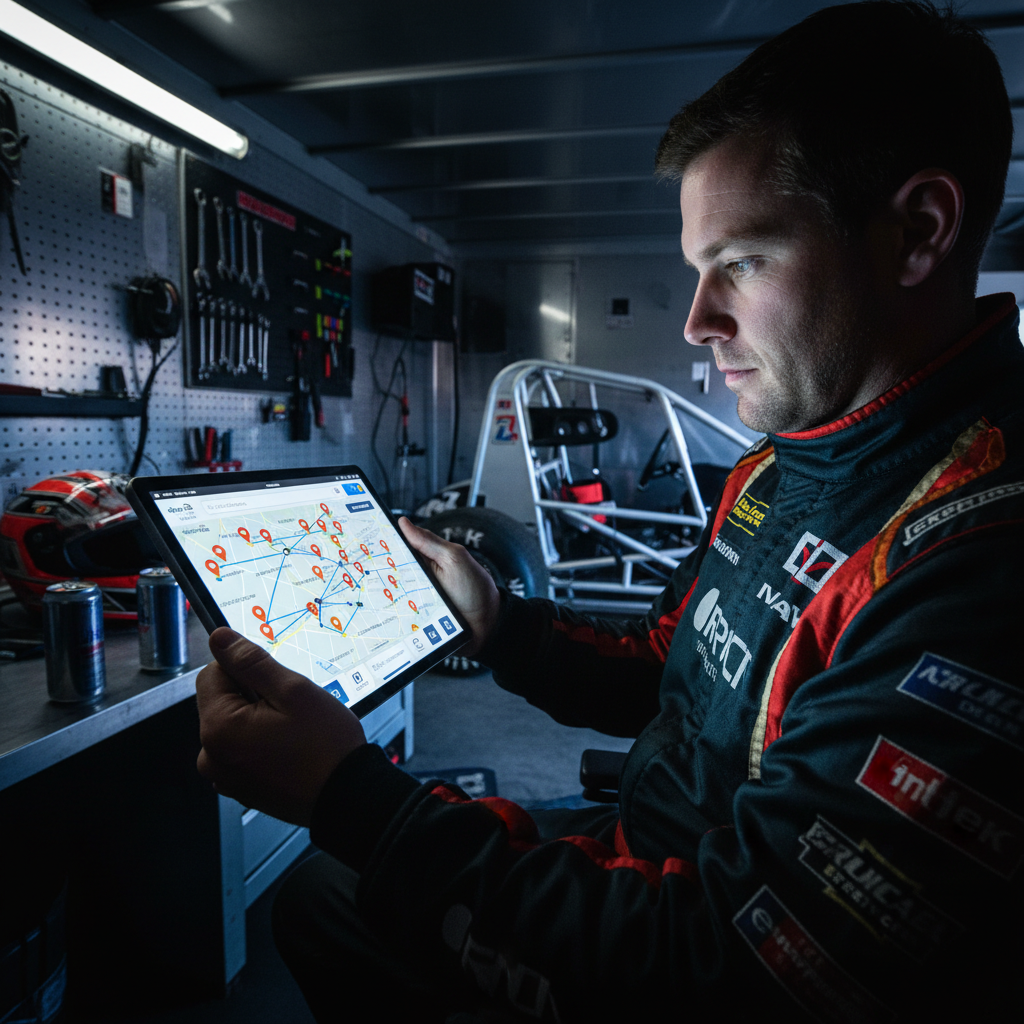
You need accurate, up-to-date data on track lengths, banking, sanctioning bodies, and weekly schedules. Jump into the MZS track directory to filter tracks by size and sanctioning body within your specific zip code. It takes the guesswork out of planning your season schedule.
Look for tracks with consistent car counts. If a track only pulls eight cars in your class on a Saturday night, the payout will dry up, and the track prep will suffer. You want to race where the competition is deep, because that is the only way you will learn how to set up your car and drive through dirty air.
Evaluate the facility's lighting as well. Poorly lit corners make it impossible to hit your marks and see the rut developing on the cushion. Good tracks invest in LED lighting that illuminates the entire racing surface, keeping you safe and fast.
Do your homework, match your chassis to the dirt, and commit to the process.
Race where your car works, not just where the drive is easy.