The Washday Checklist That Keeps Small Problems From Becoming DNFs
A free, printable weekly washday checklist covering tires, electrical, and suspension — the routine that catches problems before they cost you a race.
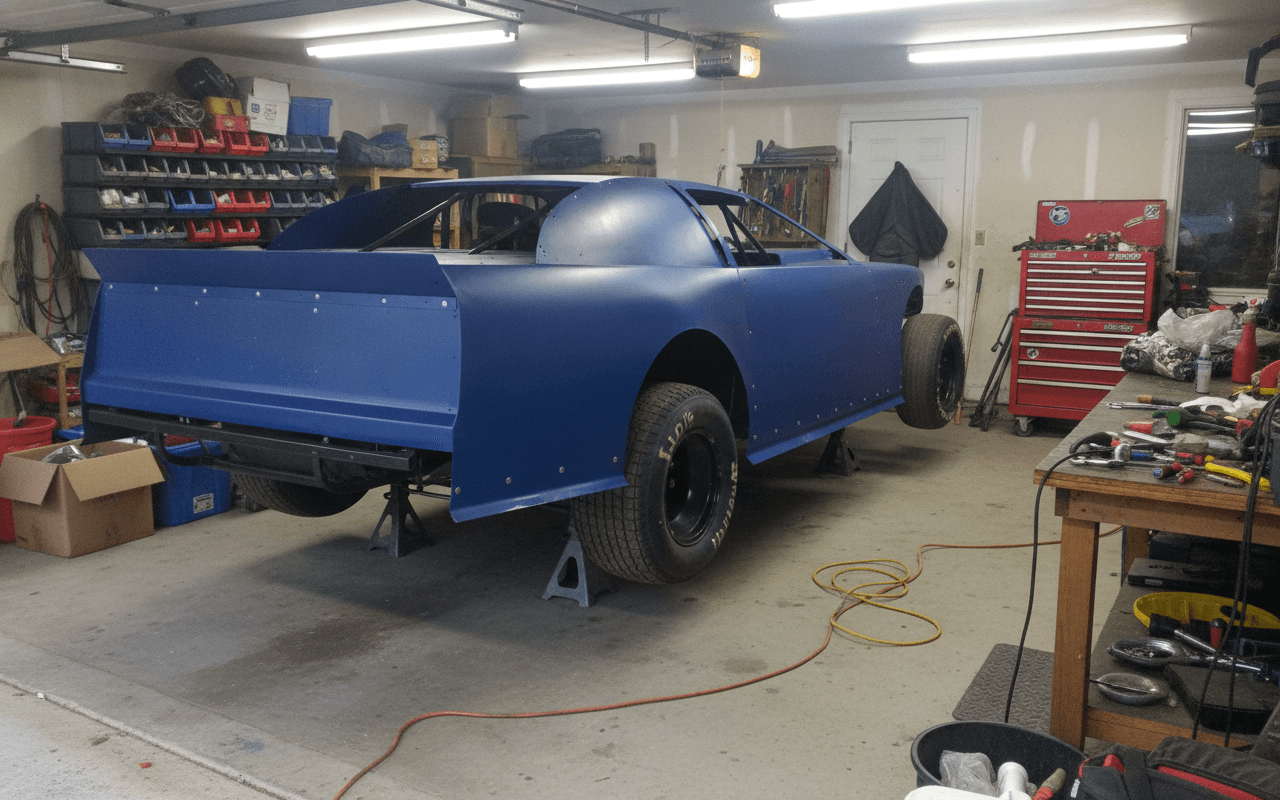
Washing the car isn't the point of washday. The point is that a clean car is the only car you can actually inspect.
Mud hides everything — a bound heim end, a hairline crack in a birdcage weld, a battery cable that's one bad connection from leaving you stranded on hot lap night. You don't find those under a layer of last week's track. You find them with the car clean, up on stands, under shop lights, running the same checklist every single week.
Why Washday Is the Real Inspection Night
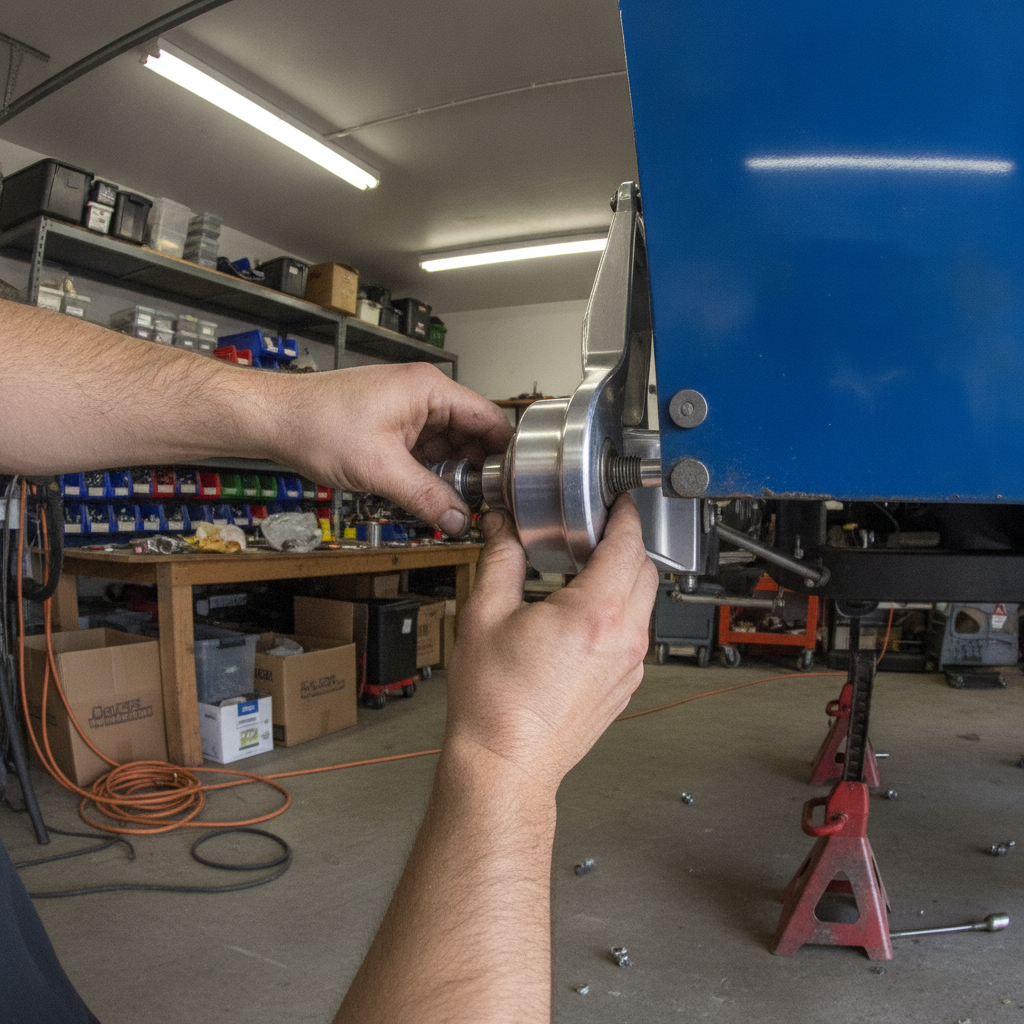
Most teams treat washday as chore night. That's backwards. Washday is the one night a week you actually see every inch of the car — not glancing at it mid-thrash on Thursday before you tow, but really looking, with clean metal and good light.
That's exactly why it's the right night to run a full systems check, not just a rinse. Four passes — tires, electrical, front suspension, rear suspension — catch the small stuff before it becomes a Saturday night problem.
We built a free, printable version of this exact checklist. Print it, tape it to the trailer wall, and run it every washday with a pen.
Free Washday Checklist
A printable, fill-in-the-blank checklist covering tires, electrical, and front/rear suspension — plus space to log tire measurements, loads, and setup notes for the coming weekend. No signup required.
Download the PDFTires: Wash, Mount, Measure, Label
Tires are the first thing you touch on washday, and they set up everything else. Wash them clean enough to actually read the tread, mount the fresh set you're running this weekend, then measure and label every tire before it goes on the trailer — LF, RF, LR, RR, written down, not remembered.
Skipping the label step is how teams end up guessing at grooving patterns in the pit lane an hour before hot laps. Write it down while you're calm, in the shop, not while you're rushed at the track.
Electrical: The 10-Minute Pass That Prevents a No-Start
Electrical gremlins are almost always a connection, not a component. Run through connections, the MSD box, the coil and coil wire, starter wiring, and battery terminals — looking specifically for anything loose or showing corrosion. Ten minutes on washday beats thirty minutes in the pits trying to figure out why the car won't fire for hot laps.
| System | What You're Checking | Time Budget |
|---|---|---|
| Tires | Wash, mount, measure & label | 20-30 min |
| Electrical | Connections, MSD box, coil, starter, battery | 10 min |
| Front Suspension | Ball joints, steering linkage, hubs, travel, grease | 15-20 min |
| Rear Suspension | Bar lengths, heims, birdcages, pull bar/lift arm, loads | 15-20 min |
Front and Rear Suspension: Where Small Slop Becomes Big Handling Problems
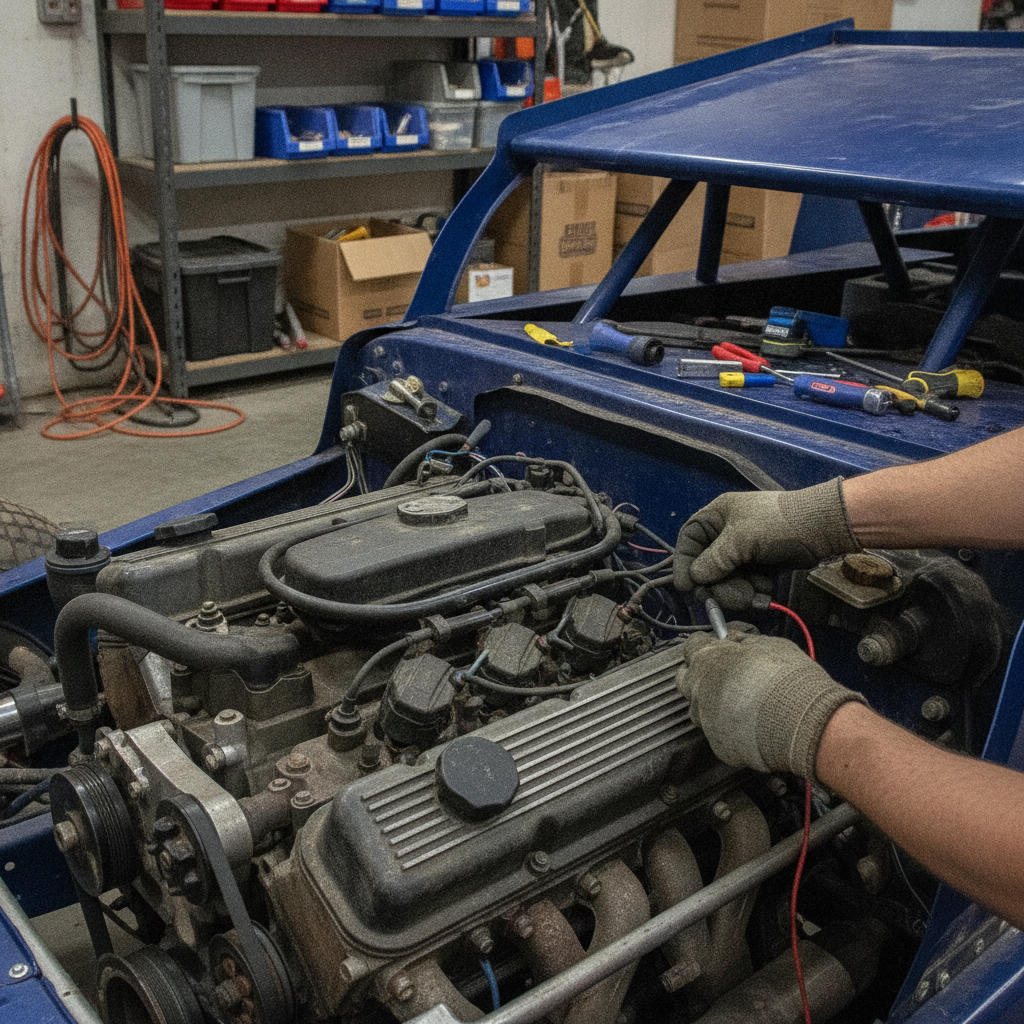
Suspension is where washday earns its keep. A bound heim end or a birdcage that doesn't rotate freely won't show up as a dramatic failure — it shows up as a car that's just a little tight in one corner and a little loose in the next, and you'll chase that in the setup notebook all night without ever finding it.
Work both ends the same way every week: verify bar lengths, check that heims aren't bound and birdcages spin freely, confirm 4-bar plates and bars are tight, and inspect the pull bar or lift arm plate for stress cracks before it becomes a track-side failure. Up front, check ball joints, the idler arm, drag link, and pitman arm, hub play, and binds through travel, then grease everything before it goes back together.
Pro tip: the "document suspension setup information" line on the checklist is easy to skip because it doesn't feel like maintenance. It's the most valuable line on the sheet. A bar length or load number written down this week is the baseline you compare against next week — without it, you're just guessing whether something actually changed.
Turn the Paper Checklist Into a Season-Long Record
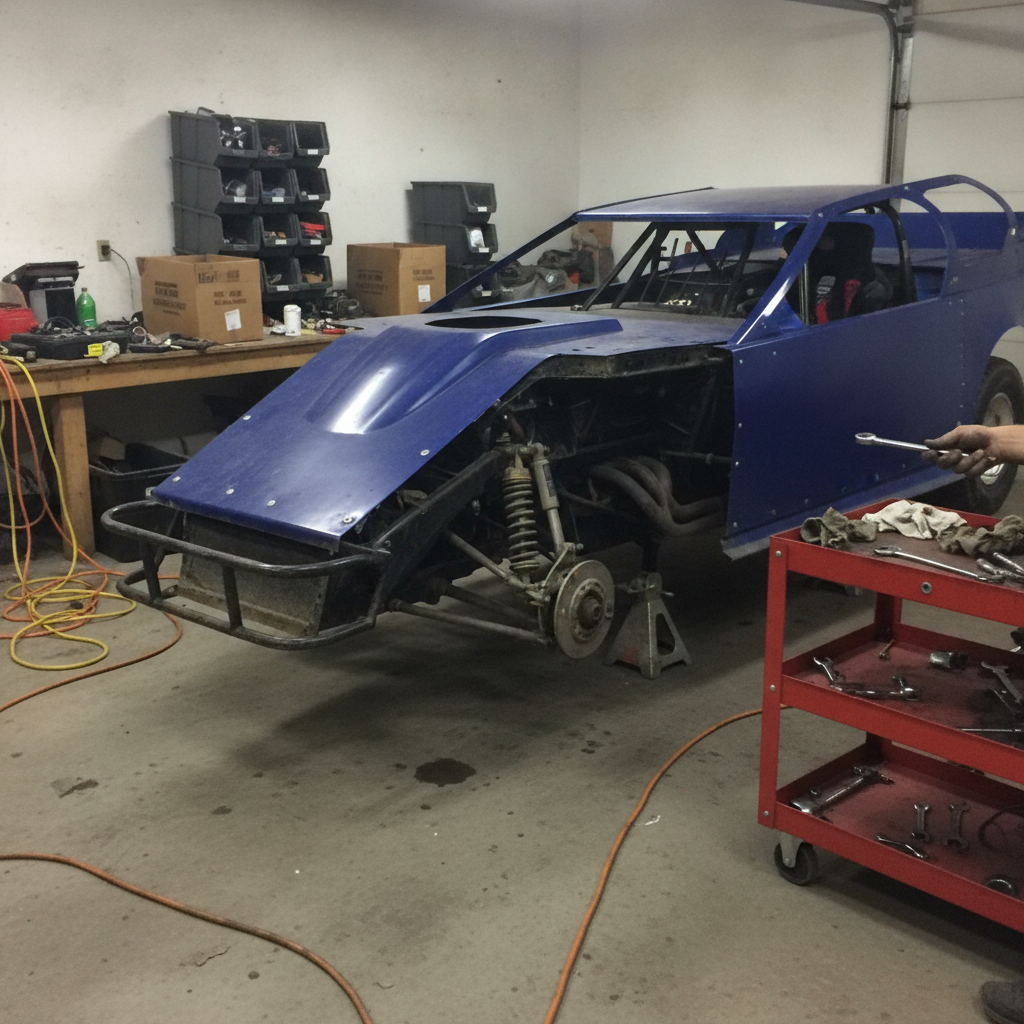
The printed sheet is built to live in the shop, get filled out with a pen, and get replaced next week. That's the right tool for washday itself. But the measurements you're writing down — tire numbers, bar lengths, load checks — are worth more than one week if you keep them somewhere you can actually search later.
That's the gap MZS's maintenance tracking closes: log what you found on washday, and by mid-season you've got a real history of what's changed on the car instead of a stack of paper sheets in the trailer.
The takeaway: the car that finishes races isn't the fastest car in the shop — it's the one that got the same honest look-over every single week, whether anything seemed wrong or not.